
Dark Henna Tattoos: A Risk in Beauty
 September 10, 2009 Kyriaki (Sandy) Venetis
 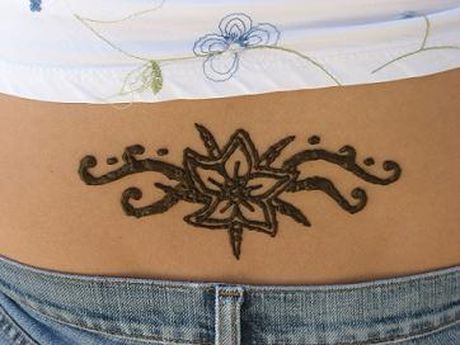 Image courtesy of Healthinformer.net.
Dark or black henna tattoos are popular all over the world. They are beautiful and temporary, but recently a number of clinical reports have come out about cases of allergic reactions to the dye when containing Para-phenylenediamine or PPD. This chemical is often added into the product to make the color darker and speed up drying.
“PPD is a known skin sensitizer. This isn’t a huge concern when used in hair dyes because the material comes into contact with the skin only briefly. The real danger—many dermatologist are reporting patients with severe allergic reactions from dark henna (also known as mehndi) temporary tattoos,” said the Cosmetic Ingredient Review.
The National Center for Biotechnology Information also cites several case studies of severe allergic reactions to PPD in temporary tattoos.
“We report here a 17-year-old girl with blisters over her hands of five-days duration that appeared within 72 hours of applying a temporary henna paint to her hands during a social occasion.
“Similar lesions were noted on her face. She had previously applied black henna only once, a year earlier without developing any lesions. Clinical diagnosis of acute allergic contact dermatitis (ACD) was made.
“After a short course of oral corticosteroids, topical mometasone furaote 1.0% cream, and oral antihistamines, the lesions healed completely over the next four weeks, leaving post-inflammatory hypopigmentation (a loss of skin color),” said the NCBI.
Another incident reported by the NCBI was “a nine-year-old boy with allergic contact dermatitis (causing a lesion) due to temporary henna tattooing. Patch testing showed a positive reaction to PPD. After treatment with topical corticosteroid and oral antihistamine, the lesion cleared with discrete residual hypopigmentation.”
Currently, the U.S. Food and Drug Administration only approves the use of henna in hair dye products. The FDA also cautions consumers to make sure that any imported henna dyes that they buy have ingredient labels. Products without labels are illegal and potentially harmful.